

- Anatomy
- Conditions
- Procedures
Superior Transverse Atraumatic Reconstruction (STAR) Hip Replacement
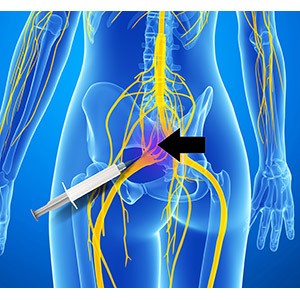
Superior Transverse Atraumatic Reconstruction (STAR) hip replacement is a minimally invasive hip replacement procedure designed to reduce trauma to the surrounding tissues and promote faster recovery. Hip replacement surgery, also referred to as total hip replacement or total hip arthroplasty
Robotic Assisted Hip Replacement
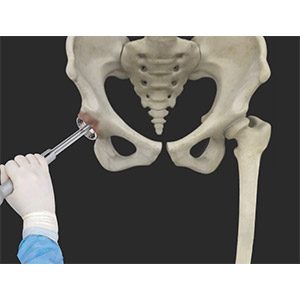
Robotic-assisted hip replacement is a minimally invasive surgical procedure that involves the use of a specialized robotic system to remove the damaged parts of a hip joint and replace them with an artificial prosthesis or implant. The robotic system consists of mechanical arms and camera arms attached to the surgical instruments.
Complex Hip Reconstruction Surgery
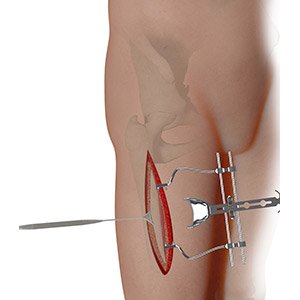
Complex hip reconstruction surgery is a surgical procedure employed to treat hip structures with complex hip fractures or traumatic hip injuries, deformities, structural issues, and damage from diseases such as arthritis. The main objective of complex hip reconstruction surgery is to alleviate hip pain and stiffness
Hip Surgery
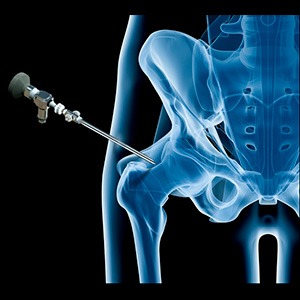
Hip surgery is a surgical procedure for the treatment of a hip injury or hip condition. The procedure involves repairing diseased or damaged structures of the hip joint in order to eliminate pain and restore normal hip function. The hip joint is one of the body's largest weight-bearing joints and is the point where the thighbone (femur) and pelvis (acetabulum) join.
Hip Hemiarthroplasty
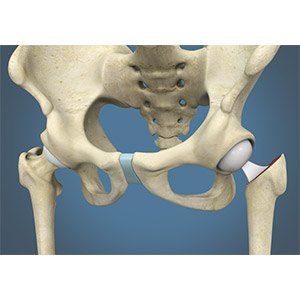
Hip hemiarthroplasty is a surgical technique employed to treat hip fractures. In this procedure, only one half (ball section) of the hip joint is substituted by a metal prosthesis. The hip joint is one of the body's largest weight-bearing joints and is the point where the thigh bone (femur) and the pelvis (acetabulum) unite.
Core Decompression for Avascular Necrosis of the Hip
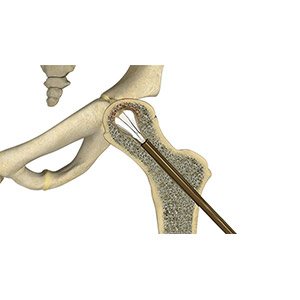
The hip joint is a ball and socket joint, where the head of the thighbone (femur) articulates with the cavity (acetabulum) of the pelvic bone. Sickle cell disease, a group of disorders that affect the hemoglobin or oxygen-carrying component of blood, causes avascular necrosis or the death of bone tissue in the hip due to lack of blood supply.
Total Hip Replacement
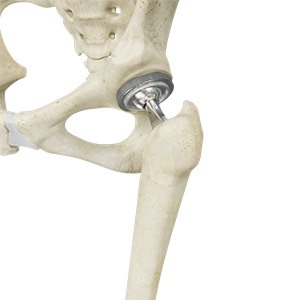
Total hip replacement is a surgical procedure in which the damaged cartilage and bone are removed from the hip joint and replaced with artificial components. The main indication for total hip replacement is arthritis. Arthritis is the inflammation of joints, which results in pain, swelling, stiffness and limited movement. Hip arthritis is a common cause of chronic hip pain and disability.
Minimally Invasive Total Hip Replacement
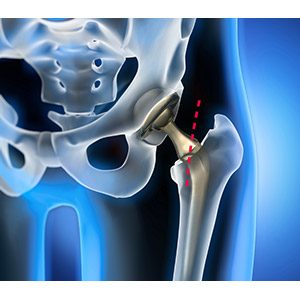
Minimally invasive total hip replacement is a surgical procedure performed through one or two small incisions rather than the single long incision of 10–12-inches as in the traditional approach. The hip joint is one of the body's largest weight-bearing joints and is the point where the thighbone (femur) and pelvis (acetabulum) join.
Revision Hip Replacement
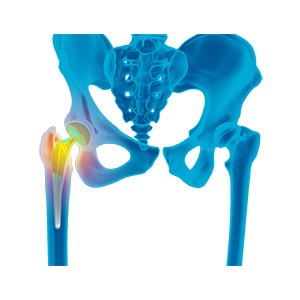
During total hip replacement, the damaged cartilage and bone are removed from the hip joint and replaced with artificial components. At times, hip replacement implants can wear out for various reasons and may need to be replaced with the help of a surgical procedure known as revision hip replacement surgery.